Nirogi Atta: Low GI, Low Gluten Sprouted Multigrain Flour (Supports Healthy Blood Sugar Management : Diabetic Care Atta)
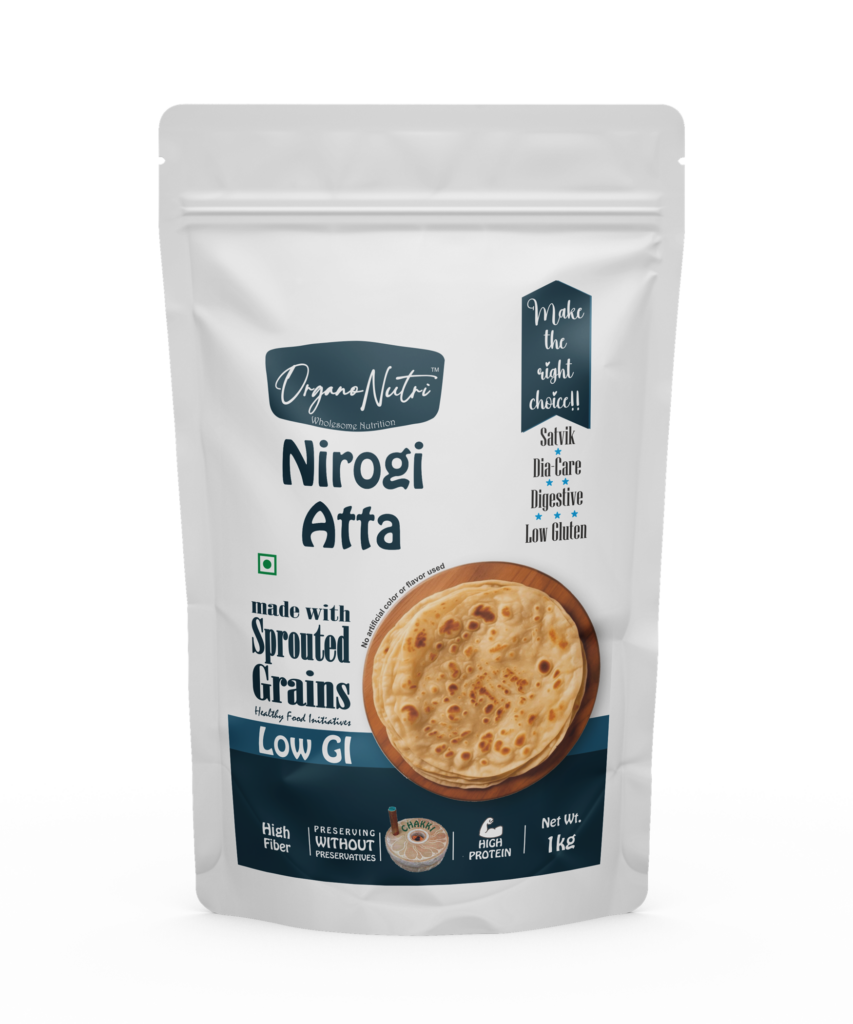
Discover Nirogi Atta, the wholesome, diabetic‑friendly flour crafted for those who want nutritious eating without compromising taste. This innovative atta blends sprouted wheat with chickpeas, millets, and a curated selection of herbs, offering a low glycemic index, lower gluten load, and enhanced digestibility. Perfect for health-conscious households, Nirogi Atta gives you soft rotis, parathas, and traditional Indian breads—with the goodness of added protein, fiber, and natural phytonutrients.
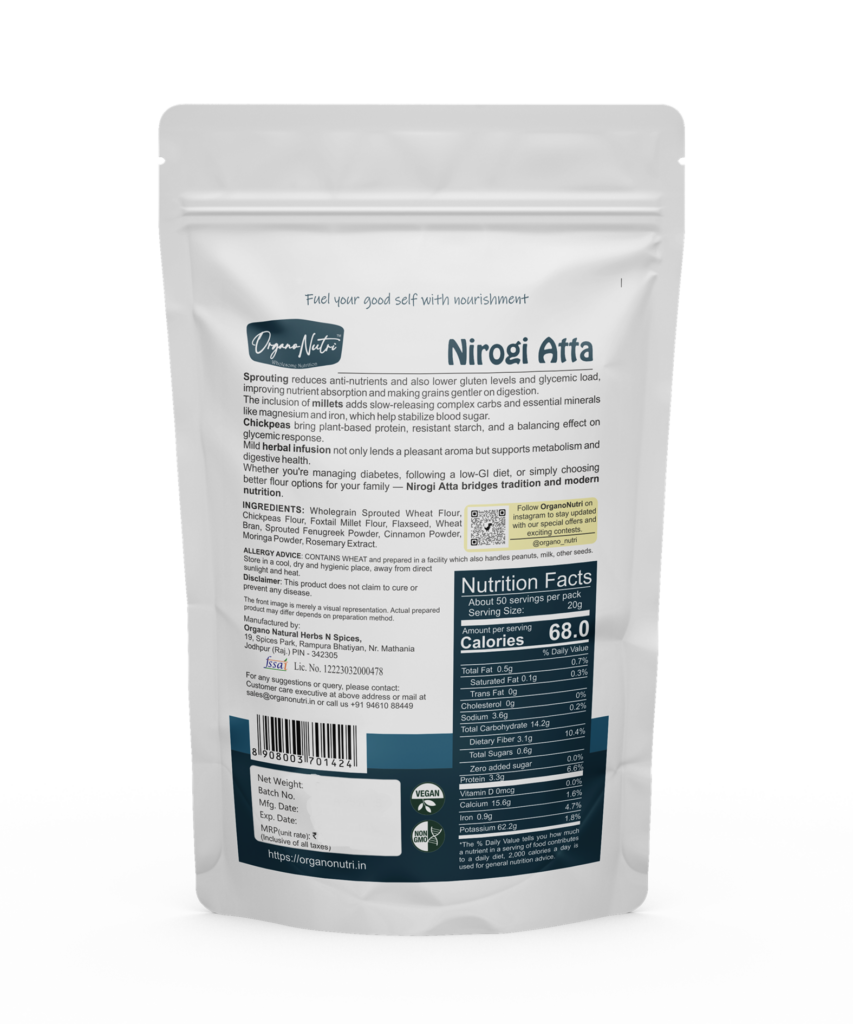
Sprouting reduces anti-nutrients and may lower gluten levels, improving nutrient absorption and making grains gentler on digestion. Healthline The inclusion of millets adds slow-releasing complex carbs and essential minerals like magnesium and iron, which help stabilize blood sugar. Apollo 24|7+1 Chickpeas bring plant-based protein, resistant starch, and a balancing effect on glycemic response. The mild herbal infusion not only lends a pleasant aroma but supports metabolism and digestive health.
Whether you’re managing diabetes, following a low-GI diet, or simply choosing better flour options for your family — Nirogi Atta bridges tradition and modern nutrition.
Ingredients: Sprouted Grains (Wheat, Foxtail Millet, Chikpea), Flaxseed, Wheat Bran, Sprouted Fenugreek Seeds, Cinnamon Powder, Moringa Leaf Powder, Rosemary extract.
Preparation Tips:
- Use this flour just like regular atta for making chapatis,
parathas, or rotis. - Add warm water while kneading for better texture due to high
fiber. - Rest the dough for 15–20 minutes before rolling.
Key Features & Benefits
· Low Glycemic Index (Low GI) — releases glucose slowly into the bloodstream for more stable blood sugar levels
· Lower Gluten Content via Sprouting — sprouting transforms grain structure, reducing gluten and improving digestibility Healthline
· High in Dietary Fiber & Resistant Starch — supports gut health, keeps you fuller longer, and aids in weight management
· Added Plant Protein from Chickpeas — complements wheat protein and improves satiety
· Nutritive Millets — delivers essential minerals (magnesium, iron, calcium) and antioxidants Apollo 24|7+1
· Herbal Blend — subtle herbs added for digestive support, aroma, and metabolic balance
· Easy to Use — substitutes 1:1 for regular atta in rotis, parathas, theplas, and other Indian breads
· Clean & Natural Ingredients — no preservatives, no artificial additives
· Suitable for Diabetic Care & Wellness Diets — ideal for those seeking better carbohydrate choices
Our preparation methods
Prepared by Cold Milling process by stone grinding to reduce heat during processing, which preserves nutrients and minimizes oxidation of fats (especially in flaxseed).
Is Sprouted Wheat Bread Good for Diabetics?
Yes—sprouted bread can be better for diabetics than regular bread. This is because:
- It has a lower glycemic index, meaning it doesn’t spike blood sugar as much.
- The increased resistant starch slows digestion and glucose release.
- Some studies found improved post-meal blood sugar control, though results vary depending on the recipe.
So, while not a cure-all, it can be part of a diabetic-friendly diet.
Source: [Martins et al., 2021; Belobrajdic et al., 2014]
Sprouted Wheat Flour vs Wheat Flour
Feature | Sprouted Wheat Flour | Regular Wheat Flour |
Vitamin Content | Higher (esp. B and C vitamins) | Lower |
Mineral Absorption | Better (less phytic acid) | Lower |
Antioxidants | Increased | Normal |
Enzymes | Activated (pre-digested starch/protein) | Dormant |
Glycemic Index | Lower | Higher |
Flavor | Slightly sweeter, nuttier | Milder |
Baking Behavior | Softer crumb, sweeter dough | Stronger gluten structure |
Source: [Zhou et al., 2022; Hübner & Arendt, 2013]
Glycemic Index of Sprouted Wheat Flour
The glycemic index (GI) of sprouted wheat flour is typically lower than regular flour. That means the carbs are digested more slowly, helping prevent blood sugar spikes. One study reported more resistant starch and lower starch digestibility, both of which contribute to a healthier glycemic response.
Source: [Martins et al., 2021]
Regular Flour vs. Sprouted Flour: A Nutritional Upgrade for Healthier Living
Flour is a staple ingredient in most kitchens, used in everything from bread and cakes to pancakes and snacks. Traditionally, regular flours such as wheat, rice, and other grains have been widely consumed. However, as consumers become more health-conscious, sprouted flours have gained popularity for their enhanced nutritional profile and health benefits. In this blog, we’ll explore the key differences between regular flour and sprouted flour, and why you might consider making the switch.
What is Regular Flour?
Regular flour is made by grinding whole grains into a fine powder. The most common types of flour include:
Wheat Flour: The most widely used flour, found in white, whole wheat, and enriched varieties.
Rice Flour: Popular in gluten-free diets, often used for baking and thickening.
Millet, Ragi, Bajra Flours: Lesser-known but nutrient-rich alternatives.
Though regular flour contains essential nutrients, many of these are lost during the milling process, especially in refined flours, where the bran and germ of the grain are removed.
What is Sprouted Flour?
Sprouted flour is made from whole grains that have been soaked and allowed to germinate, or sprout, before being dried and milled into flour. The sprouting process activates the grain’s natural enzymes, breaking down starches and making the nutrients more bioavailable. Sprouted flour can be made from various grains like wheat, millet, spelt, and more.
Key Differences Between Regular Flour and Sprouted Flour
Nutritional Profile
- Regular Flour: In regular flours, especially refined varieties, essential nutrients like fiber, vitamins, and minerals are significantly reduced. Whole grain flours retain some fiber and nutrients but may still contain phytates, which inhibit the absorption of minerals like iron and calcium.
- Sprouted Flour: The sprouting process breaks down phytates, making minerals such as iron, zinc, and magnesium more accessible to the body. Sprouted flours are also richer in B vitamins, antioxidants, and protein, contributing to improved overall nutrition.
Digestibility
- Regular Flour: Some people find regular flour harder to digest due to the presence of starches and certain proteins that are not broken down during milling.
- Sprouted Flour: Sprouting partially pre-digests the grain, breaking down the starches and making it easier on the digestive system. People with sensitive digestion or gluten sensitivities often find sprouted grains more tolerable.
Glycemic Index
- Regular Flour: Many regular flours, especially refined ones, have a high glycemic index (GI), meaning they cause a rapid spike in blood sugar levels. This can lead to energy crashes and may contribute to insulin resistance over time.
- Sprouted Flour: Sprouted flour has a lower GI because the starches in the grains are broken down into simpler sugars during sprouting. This leads to a slower release of sugar into the bloodstream, helping maintain steady energy levels.
Flavor and Texture
- Regular Flour: The taste of regular flour is often neutral, with refined flours being especially mild. They provide a smooth texture to baked goods but may lack depth in flavor.
- Sprouted Flour: Sprouted flours have a slightly sweet, nutty flavor, and can add a richer taste to baked goods. The texture is also lighter, resulting in fluffier breads and cakes.
Shelf Life
Regular Flour: Refined flours tend to have a longer shelf life since the oils in the germ are removed during milling. Whole grain flours can spoil faster due to the presence of these oils.
Sprouted Flour: Sprouted flours tend to have a shorter shelf life compared to refined flours but can last longer than whole grain flours because the sprouting process neutralizes some of the fats that contribute to rancidity.
Health Benefits of Sprouted Flours
Improved Nutrient Absorption: Sprouted flour enhances the bioavailability of essential nutrients, making it a more nutritious choice.
Better Digestion: Easier to digest due to the breakdown of starches and proteins during sprouting, which can be beneficial for those with gluten sensitivities or digestive issues.
Blood Sugar Control: Sprouted grains can help regulate blood sugar levels, reducing the risk of insulin spikes and crashes.
Increased Antioxidants: Sprouting increases the antioxidant levels in grains, which can help fight inflammation and promote overall health.
Which One Should You Choose?
While regular flour is convenient and widely available, sprouted flour offers significant health benefits that may be worth the switch, especially for those seeking improved digestion, better nutrient absorption, and more controlled blood sugar levels. Sprouted flours are ideal for individuals looking to optimize their nutrition and incorporate more whole, nutrient-dense foods into their diets.
Incorporating sprouted flour into your baking and cooking may take some adjustment, but the enhanced flavor, texture, and nutritional benefits make it a worthwhile change for those aiming for a healthier lifestyle.
Conclusion:
Both regular and sprouted flours have their place in the kitchen. However, if you’re seeking to boost your nutritional intake and enjoy the benefits of easier digestion, better nutrient absorption, and a lower glycemic index, sprouted flours are a superior choice. As consumer interest in health-conscious products continues to grow, sprouted flours are emerging as a valuable alternative to traditional flours.